#19 Starting Late — Risk, Reinvention, and Entering the Arena Anyway
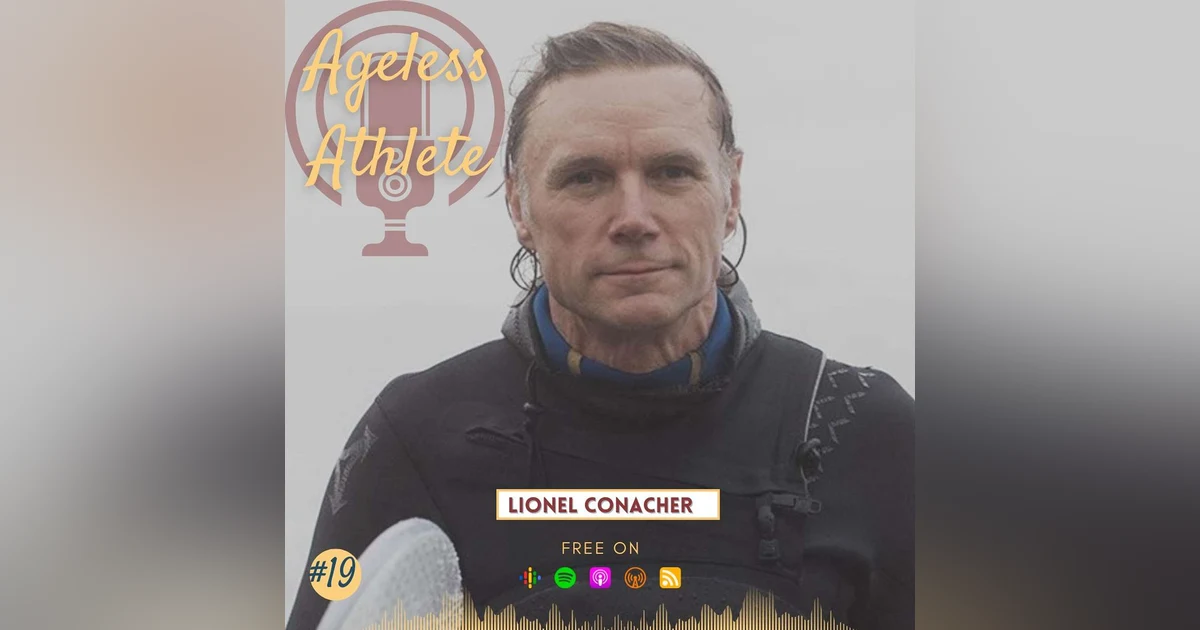

🌊"The biggest thing that impacts you when you first go out there, before I even surfed it, I just went out on a on a jet ski and sat there and watched, is the sound it makes when it breaks...its terrifying" 🏄🏽♀️ At the age of 59 years and 8 months, Conacher became the oldest person in the world to surf Maverick's 🌊, the "Mount Everest of surfing" 🏔️ one of the most challenging and dangerous surf breaks in the world, located near Half Moon Bay, California. What makes Conacher's...


🌊"The biggest thing that impacts you when you first go out there, before I even surfed it, I just went out on a on a jet ski and sat there and watched, is the sound it makes when it breaks...its terrifying" 🏄🏽♀️
At the age of 59 years and 8 months, Conacher became the oldest person in the world to surf Maverick's 🌊, the "Mount Everest of surfing" 🏔️ one of the most challenging and dangerous surf breaks in the world, located near Half Moon Bay, California.
What makes Conacher's feat truly astonishing is the fact that he didn't start surfing until his 50s, wow! 🤯 Most accomplished big wave surfers start from a very young age, honing their skills over decades of experience. For Conacher to achieve this milestone at an age when most people are contemplating retirement is nothing short of extraordinary. 💪
Tune in for:
- Scene by scene account of what it takes to paddle into 30-40 foot waves 🌊🌊🌊, from an 'ordinary' surfer's point of view
- Training to survive hold-downs 20 feet under cold water 😫
- Finding balance with a grueling career as a Wall Street banker "plan your vacations first…"? 🏦💰
- Strategies on finding the perfect mentor / coach and community to fuel the journey 🧑🏫🧑🤝🧑
- Setting audacious goals, and the dedication and joy that follows 🎯😁
- Finally, my favorite, wear the 'Vulnerable Adult Learner' label with pride 👴🏄
References:
The Inertia: "How I Became the Oldest Person in the World to Surf Maverick’s for the First Time" by Lionel Conacher (March 29, 2023). Link to Article.
Bianca Valenti - Reknowned big wave surfer and Lionel's coach who prepared him for Mavericks Link to Website
Barbarian Days by William Finnegan: This Pulitzer Prize-winning memoir explores the author's lifelong passion for surfing and his experiences at various surf breaks around the world. Link to Book
BWRAG (Big Wave Risk Assessment Group): This organization provides safety training and education for big wave surfers. Link to Website
Patagonia PSI Vest: This inflatable vest is a crucial safety tool for big wave surfers, providing buoyancy in case of wipeouts and hold-downs. Link to Product
Surfline: This website provides surf forecasts, live cams, and other resources for surfers. Link to Website
Rob Case Paddle Surf: Rob Case is a renowned surf coach who offers instruction on paddling technique and pop-up mechanics. Link to Website
DMC Fins: Lionel mentioned this brand of surf helmets, which he wears for safety during his sessions. Link to Website
Maurten: This company offers a
---
🚀 Love the show? Here’s how to support it
If something you’ve heard here has stayed with you, made you smile, or helped you keep going, I’d be honored if you’d consider supporting the show. 👉 https://buymeacoffee.com/agelessathlete
📰 Subscribe to the Ageless Athlete newsletter !
1-2x a month, no spam. We share behind-the-scenes reflections, longevity tips, and athlete wisdom you won’t find anywhere else. You can sign up at https://www.agelessathlete.co/newsletter/ 📩
38:47 - [Ad] Resilience Podcast Series
39:11 - (Cont.) He Started Surfing in His 50s — At 59, He Took On Mavericks | Lionel Conacher, 62
1:12 Folks gathered around and welcome back to the Asian athletes podcast. This is your host. I'll speak to you from sunny San Francisco, California. Bringing you epic tales of age, defying limit pushing adventurers. Doing remarkable things in the great outdoors. The anticipation of today's recording. Give me goosebumps. I was reliving my own surfing beginnings as I prepared and met with Nature. Who at 60 was the oldest two w at Mavericks, one of the biggest and most data fighting big waves worldwide. While hat has no desire or expertise to surf big waves, just like Lionel.
1:59 I did learn to serve in the cold waters around the San Francisco bay area. He just took it so much further. Most of the best surfers around learn surfing as kids. Just like the disciplines of gymnastics. Or say ballet surfing rewards. Early learning. So it is really astonishing that he did not. Start surfing. Until his fifties. Less than a decade ago. Lionel is a true ageless athlete. We will learn. From his beginnings as a competitive decathlete.
2:40 And as yet, To participating in the world, triathlon championships. To riding in the tour de France to completing. Ultra endurance mountain biking races. For every decade of his life, since his twenties. He has set a monumental goal and then gone out and achieved it. Unbelievably, he did all of this while working as an investment banker. In wall street, not the cushiest of careers to allow for such explorations. In the outdoors. I absolutely loved this conversation and hope you will as well. I really appreciate you tuning in France.
3:23 I would really love it. If you would leave a rating and a review in your podcast app. It will only take a minute. It really helps. Others discover. And learn from. these Asia's athletes. Hi Lionel, great to have you on Ageless Athlete. you tell us where are you, where you're from, and what did you have for breakfast today? Well, hi, and thanks for having me. uh, what I had for breakfast, I had, I had for breakfast, what I have every single day. I have a Crispix cereal with brand buds and a sliced banana and fresh raspberries and two cups of coffee and one glass of orange juice.
4:12 And I have that same thing every single day. And when I travel, I bring, I bring brand buds with me. get whatever the local cereal is, but I always try and I always try and keep my eating very, very consistent no matter where I am. Traditions are great and being able to enjoy one's breakfast regardless. you eat before your morning surf or after? Always before. Ah, Yeah. Yeah. I know a lot of people don't like, like surfing on a, on a full stomach. I think it's cause I, you know, did cycling for such a long time and, and. And was, you know, very tuned into making sure that I was fueled properly.
4:58 So I didn't balk. And, you know, when, when you're out surfing, you know, I'm, I'm normally out there for, you know, at least an hour and sometimes as long as three hours. You know, you, you've got no access to water typically when you're out there. So I, I just always make sure that I'm properly fueled before I go out. Super. We will hopefully get time to dive a bit into your nutrition practices. But again, I'm really excited to have you on the show. I feel this is going to be a very enlightening episode for me being a local Bay Area surfer myself. the chance to learn from your, from, from your background and how you managed to, uh, take your, uh, learnings and go and surf, uh, Mavericks.
5:47 Let's jump right in. Can you paint a picture Lionel of what a wave like Mavericks actually looks like? looks like up close and then, yeah. How does it compare to the usual, uh, beach breaks an average person might be more familiar with? it's way bigger than you think it is. I think the first time I was out there, Mavericks typically doesn't break unless it's about a 20 foot face. what I've learned over the last couple of years is that it, it takes some combination of, swell size and period to break.
6:33 that is greater than 20. It, it feels really big. compared to anything else, even the biggest, days at Ocean Beach. You can get a 20 foot face at Ocean Beach for sure. but for some reason Mavericks just feels bigger and more powerful and, just a lot more energy in, in, in terms of how, how it breaks. And, and it's such a, Wedge, um, of water. you know, the reef is down, I think around 20, 22 feet, something like that. And so, takes quite a, quite a swell before we'll, we'll start, we'll start to break, but like, like Jaws and like Nazare, the way the, uh, Topography underneath the ocean works with a canyon coming into a, reef.
7:17 it allows Mavericks to get very, very big without closing out. in my experience and when it's huge, like it was at Christmas time this year, and you can only tow it, you know, when they were towing it Um, you know, when it was probably 50 feet face size, the, the, the biggest thing I, you know, and I've said this to everybody, the biggest thing that impacts you when you first go out there, certainly when, when I first went out there. Before I even surfed it, I just went out on a, on a jet ski and sat there and watched, is the sound it makes when it breaks the sound is huge and, and it's indescribable.
8:00 And, and it's, it's, it's scary. The sound is scary. Um, so that, that would be the thing. That I would say that, that, you know, anybody that I, that, that I know that's gone out there for the first time, everybody's impacted by the sound it makes when it breaks Mostly my. recounts, or let's say my, um, understanding of the wave is from the words of, uh, pro surfers talking about the wave in videos. And they sound humbled by that same staggering scale of both the size and the sound.
8:42 So hearing it from somebody who is, let's say, not quite a pro yet is, uh, is, is uniquely insightful. and never will be a problem, by the way. Let me ask this question. I have paddle out at ocean beach, which is our local beach in San Francisco, which can also be fairly scary and kind of intense, obviously. not on the biggest days. Maybe my biggest days out there would be like a double overhead day. Some ways, maybe a little bit bigger and just those days compared to, let's say a shoulder height day can be intense. I'm guessing you must also have paddled out at OB on those bigger days.
9:26 Can you describe. Even that difference, uh, Lionel, which is surfing ocean beach at like a double overhead day, like a bigger day versus being at Mavericks on a 20 foot or greater day. so this may surprise you, but there's a group of us that are in our sixties that surf Mavericks is probably six or seven guys, that they're all in their sixties that surf Mavericks and, and I'm the noobie in that group. most of those guys have surfed it for, you know, 30 plus years. and, uh, you know, Christie Davis who surfed it, for probably 35 years, um, surfed it at age 70 last year.
10:07 I think he's probably the oldest guy to ever surf Mavericks. and as soon as he did it, he, he moved up to Humboldt and he said he'd never surf Mavericks again, uh, after he did it. but that group of guys would all tell you. That they would rather surf Mavericks than surf Ocean Beach on a big day. cause as you know, paddling out, to get to the outside break at Ocean Beach on a big day, unless the period's really long and you've got a lot of time between sets. Is one of the hardest things to do in surfing in the world, I think, and, and I, and I, you know, had, had the pleasure of having had the opportunity to serve a lot of the North Shore and sort of big sunset and, and surf, and, there are very few places in the world that are as hairy to get out.
10:58 As as Ocean Beach you know, what's it, I mean, the paddle out to Mavericks is a long paddle and, you know, it takes usually 30, 30, 35 minutes, something like that to get out if you're going the long way, or if you're going the short way, it takes about 20 minutes, but other than being a long paddle, it's not particularly hard to get out there, and then I would say the biggest, Difference is Mavericks is is because it's a point break is way more organized than the notion beaches. I think that the consequences that at Ocean Beach can be, probably as severe as Mavericks. And I mean, you got a lot more water moving around and in a lot different ways.
11:39 And, and even and even at at sunset on a big day, I've had, I had my worst hold down I've ever had anywhere at Sunset, um, not at Mavericks and, and I've fallen plenty at Mavericks. I mean, I've, I've had, I probably, I think I've probably done 25 sessions at Mavericks over the last three years. And. without a doubt, the worst hold down I ever had was at Sunset Beach. I had a two way fold down at Sunset Beach and I wasn't wearing my Patagonia vest and I was, yeah, that was gnarly. And I've been, you know, that includes, I like, I've been, I've been washed through, through the boneyard at Mavericks on, on a big day.
12:23 Um, and, and the worst, the worst experience that I had was it was at sunset for sure. And, and I, and I think that the, you know, Ocean Beach, Sometimes on big days, I paddle out at ocean beach and I see, I see people out there and not that I'm anyone to talk cause I'm, I'm still, you know, a relatively new surfer, but, um, but I see some people that have paddled out or try to paddle out on big days at ocean beach and you just shake their head cause they shouldn't be there. They shouldn't be doing what they're, you know, and, and, and as, as I'm sure, you know, we have, Usually one to two drownings a year at Ocean Beach and, and typically it's a surfer and it's somebody who's, you know, who's just underestimated the power of the ocean out there.
13:11 Um, you know, a big day at Ocean Beach, there's a lot of water moving around and a lot of rip tides going every which way. And it's, you know. I don't need to tell you. You're, you're, you're well familiar with it. It, it, it can be, it, it can be scary for sure, Thanks for, uh, describing the, uh, let's see the differences between surfing at other places. like Ocean Beach and also at Mavericks and uh, despite whatever, you know, you have said about Mavericks perhaps being more approachable in some ways, you have not convinced me yet to join you on your, on your next session at, at, Mavericks.
13:59 Yeah, I would love to actually go deeper into the day when you made your debut as the, um, older surfer to, uh, paddle out at Mavericks. Take us through how you decided what was the right day and time to paddle out on, and then also a little bit into your pre surf ritual. Food, gear checks. Maybe any mental prep that happened that day. Maybe you meditated and then, uh, geared up and got ready to paddle out, would love for you to take us through that.
14:43 Sure. and firstly, just, just to clarify, so, I, I believe, and, and I've talked to everybody that, that has surfed Mavericks for a long time, that I was the oldest person to surf Mavericks for the first time. So I was, I was 59 and a half, when I first caught a, a successful wave at Mavericks. And, that was after starting, I, I started surfing, um, when I was about 53 and, and I decided to, to surf Mavericks in my 60th year because, um, in my life, I've always, on, on, on my big decade birthdays, I've always decided to do something.
15:24 a big physical challenge. And, um, and previously it had been primarily in the cycling realm. for my, uh, 50th birthday, I, rode Leadville, um, which, which is the highest mountain bike race in the world, 103 miles, all above 10, 000 feet. and then when I was 40, I did seven straight days of the Tour de France. And when I was 30, I competed in the world triathlon championships. and then prior to that, I was, a, uh, uh, decathlete and, and then also play football in college. And, so I've always chosen to do on big decade birthdays, a physical challenge, and I'd been fascinated with Mavericks before I started surfing, actually.
16:10 I used to go down and when I first moved to San Francisco, I'd go down and watch the competitions. And I, I, I just, for some reason, it, it got into my imagination, um, as something amazing. And, so I decided to do it and I hired a coach, a woman named Bianca Valenti, who I'm sure you, if you don't know her, you've seen Bianca, uh, around ocean beach and she's, she's kind of queen of ocean beach and she's queen of Mavericks. I asked her whether she would, um, would coach me after, a long interview, she finally decided that she, that she would, she would agree to coach me. And so, so she and I started working, together in, uh, March of 2021.
16:58 and she made me do all kinds of things. We did, you know, two, uh, two day breath hold coaching sessions. And we did a paddle from, from Cronkite to Sausalito, nine mile paddle. And we did, all kinds of training at Ocean Beach. And on bigger days and then, um, down at Scott's Creek on bigger days. And, and then, and then also down at, at, uh, steamer lane on, on big days, all, all with the goal of preparing to, to, to be able to serve Mavericks. And we went out and did, whole bunch of, of, uh, safety stuff, jet ski safety stuff, we did, a two day safety summit, Maverick safety summit, um, with all the, all the regular guys.
17:44 so I put about, you know, before, before I actually paddled out for the very first time with the intention of trying to surf Mavericks, which would have been in November of, um, 2021, I'd done a lot of work and, you know, I spent the entire summer, up at my, my summer home in Canada, prone paddling, you know, paddling a couple of miles a day, every day. And, when I actually went out to try and surf Mavericks and I, I did probably five sessions where I attempted to catch waves and fell and wasn't successful. and I, and I would say that, and I've said this to a number of people who are surfing Mavericks for the first time.
18:30 The best thing you can do is fall. The earlier you fall, the more you realize, okay, this is what I'm in for. and you can kind of take the, the worry of what's going to happen. And, and when I fell the first time, you know, I had a, you know, decently long hold down. I was very, very confident in my ability to hold my breath. I mean, in my, In the breath hold work we did, I got, I got up to four minutes, holding my breath on static lying face down in the pool. and what they say is that if you can, you know, hold your breath for, for four minutes, then active, you, you can probably do half. and, you know, in the longest hold down, you know, if you had a three wave hold down at Mavericks even if it was on a 20 second period day, the longest you're going to be underwater is a minute.
19:20 Which is a tremendously long time. Don't get me wrong. Particularly when you're getting thrashed around and you're, you get pushed down 20 feet and you're underwater and everything. And you don't know which way is up and it's black and everything. But, but if, if you've done the work and you know that you can hold your breath for, for four minutes in a static position. you can probably hold your breath for two minutes in an active position. even if your lungs are screaming when you're at a minute. That's it. You still got some time. You're not going to black out. You're good. You know, you're, you're, you know, so, so you've got time. The longest hold down, I think I probably have ever had, which was, which was when I was at, sunset is like maybe 30, 30, 32 seconds.
20:05 I count, they tell you not to count, but I always count. I count Tacomas. cause I've got, little friend of mine, Aaron Brooks, who's a, uh, She's, she's an amazing surfer. and, she told me that the kids in Hawaii all count Tacomas. They, they practice when they're driving around. And, you know, when, when I was a kid, we used to play Volkswagen. You used to count count Volkswagen Beals when you're driving on a long drive. And, and they, they do a variation of that game where they, The first Tacoma they see, they hold their breath, and they have to count 10 Tacomas before they can take another breath. But there's Tacomas all over the place in Hawaii, so, you know, you could be holding your breath for 15 seconds, or you could be holding your breath for a minute, but, you know, probably not longer than a minute.
20:46 So, anyway, I count Tacomas whenever I fall. and I know that if, you know, if I'm at 20 Tacomas, I've got a good 30 or 40 more Tacomas in me before I got any issues. it's a way to help me stay very calm. you know, one of the sayings in big wave surfing is panic equals death. And so it's really important, no matter what's happening, to stay calm and not panic. and so all of that's background to, you know, when I first paddled out there and first tried to catch, um, a wave there, I fell, I, I fell probably on the first six waves that I tried to catch and had, you know, varying degrees of hold downs and because of the preparation I'd done.
21:33 I was fine and I've actually never pulled my my CO2 cartridge at Mavericks. I, I've been under for a long time, but I've never felt the need to, to pull the, to pull the cartridge, uh, to get to the top. that, that was kind of my, my, first experience that Bianca was very, um, strict with me and 10 still is, um, some, sometimes. I'll text her and say, you know, what do you think about tomorrow? And, and she'll go, yeah, tomorrow's not a Lionel day. Don't go out tomorrow. but, you know, the first, You know, five or six times we went out, it was on, you know, smaller, smaller side of Mavericks. So, you know, maybe, maybe 20 feet, not more than 25 feet.
22:14 And, and the wind conditions were, were pretty favorable. the day that I caught, actually caught my first wave and rode it right down to the channel. I think there were only six or seven of us out there. It wasn't a huge day. it was a beautiful day. It was really, really glassy and, Grant Washburn was out there and Grant, as you may or may not know, is, is, you know, kind of the mayor of Mavericks these days. He kind of took over Jeff Clark's spot. Um, and, and I think Grant's probably surfed Mavericks more than anybody ever in the history. because he surfs it every time it breaks and, and he's always out there and he's an amazing human. and I'm considering myself to be extraordinarily lucky that, uh, he and I become friends and, and, uh, and he, uh, He's been amazingly helpful to me, you know, over the last couple of years as I've been surfing it and always full of suggestions and always willing to ask, answer any question you ask him and he's just, he's just a wonderful human and I didn't really know him that well.
23:16 I'd met him once or twice. Um, he had done a coffee table book on Mavericks back in the 90s, and I, and I bought it. I found a copy of it. It's out of print, but I found a copy of it, we, Bianca and I paddled out that day, which was in, uh, February of 2010. 22. Grant was out there and we were sitting around, uh, the sets were very far apart. And, um, and I said to him, you know, Grant, I got this coffee table book that you, created. and when I catch my first wave of Mavericks, I'm going to get you to sign it for me. And he looked at me and he laughed and he said, I hope you have it in the car. Cause you're going to catch your first wave today.
23:57 And I said, I said, I, I said, I don't, I don't, but, you know, but I'd love to catch my first wave today. And he said, okay, well, just stick with me and I'll, and I'll, I'll get you into it. And Christy Davis was out there. Um, and Christy was 69 at that time. Uh, and there were, there were four or five other guys and Bianca was the only woman as she often is. anyway, all of a sudden Grant said, here comes a set. And I look out on the horizon, I don't see anything. And. And, but sure enough, about a minute later set comes and he says, I'm going to take the first wave and you take the second wave. and he said, just look where I take off and just take off a little bit inside me.
24:41 And, uh, anyway, the wave came, he, he took off, he catches, he catches it, he almost never falls. So he's, he's not a good barometer of what it can be like. Uh, anyway, I just, on the next wave, I turned and paddled and caught it and got to my feet. And, uh, the next thing I know I'm, I'm ripping down the face on the wave. you know, and one of the things that I wrote in the article that I wrote, that was in the inertia is. What nobody tells you is that even on, even on a very glassy, non windy day, it's super bumpy and, you know, and you're going, you go, you go from, zero to 24, 25 miles an hour in the first 10 feet, like right, you, you get to speed right away and, you know, and if you're successful in getting to your feet, then all of a sudden you've, you've got these bumps happening as the wave goes over the reef, there's some ledges that form, if you watch videos of guys surfing Mavericks, there, there's a couple of drops that you hit.
25:46 They're not big, but, but you're going fast, and, and you can see them, you can see them forming up in front of you, so you, you know, like, they don't catch you by surprise, you can actually see them. Anyway, I'm, going down the face, and I can see Grant. Probably 300 yards in front of me, um, sitting in the channel at the end, you know, we're, we're, we're the wave ends and he's, he's got his arms and he's, and he's, he's waving at me and I don't know what he's doing, but I'm just looking at him trying to get to him. And, um, and I actually rode the wave all the way right past him and gave him a high five. And, and that was the first wave I caught.
26:26 And I said to him, what, what were you waving at? He goes, he goes, you were fading too much. You were about to get mowed down by the, by the wave, which I had no idea. Like, you know, I just, You know, I didn't get hit from behind by the wave, which is not a pleasant experience, by the way. I've had that happen to me. It's, it feels like you get, you get run over by a Mack truck when you get hit by the wave from behind.
27:48 So then I paddled, back up to the, to the lineup and Christy Davis was there and Christy gave me a high five and said, you know, congratulations. They all call me Nelly. Bianca's nickname for me is Nelly. So all those guys call me Nelly. and he goes, way to go Nelly. Uh, I knew you were going to catch your wave today. And I said, you know, Christie, I, I know, I know you're the oldest guy to surf Mavericks, but I might be the, be the oldest guy to surf Mavericks for the first time. And he said, no, you're, you're, most definitely that. And, uh, I said, I said, well, you know, gives me, gives me hope that I, I've got another 10 years to surf Mavericks. And he goes, why is that? And I said, well, you know, you're, you're 10 years older than me and, and you're still surfing Mavericks.
28:29 And he said, he said, well, don't use me. I, you know, I might, I might be surfing it for another five years, who knows? So anyway, that was the first day that I caught a wave. And it was a, it was cool. I was ha, and I was ha, I didn't try and catch another one. I just, I was happy and, uh, I sat out in the lineup and watched the other guys for another, you know, a half an hour, an hour and then, and then paddled in. But, uh, it was, it was a fun day. counting Tacomas. One, two, three, four, maybe in San Francisco, uh, you know, we should replace them with counting Teslas. I suppose. Yeah. But one Tesla, two Tesla is shorter than one Tacoma, two Tacoma.
29:11 That's right. That's right. this is quite the, uh, quite the story. Uh, thanks for, uh, walking us through. You shared so much more than what I had initially, uh, asked for. I'm going to, Pick a few things here. So many, so many good gems. Firstly, paddling out, you went five sessions without catching a wave. I know that, uh, again, on surfing, much smaller, but still intimidating days for me at, again, at, Ocean Beach and some other places. It is so scary to paddle into once in a lifetime. first wave and then to have to not catch a wave and, you know, do the, uh, proverbial, uh, paddle back of shame and then go in day, day in, day out.
30:03 What kept you going through those four or five sessions? Until the sixth session, when you actually caught a wave and those sessions, Lionel, where you didn't catch a wave, how many waves did you try to paddle for? Would you try many waves and then not make those waves? Or were you just, uh, working up the gumption to paddle for a paddle and, and, and, and not make it. And then the day you actually paddled and caught that wave, What was that defining difference in what helped you, uh, succeed? um, it's a good, it's a good question.
30:44 in terms of keeping going and trying it, you know, when I started surfing, I started surfing at, at Cronkite or Rodeo Beach over Marin, which is, which is not an easy place to surf. And, and a lot of people say that if you can catch a wave at Cronkite, you can catch a wave anywhere. I, I started, started surfing there and didn't know what I was doing. And I went there every day and just kept paddling out and, you know, a Cronkite. if, if you, if you get washed in, you get washed way, way South on the beach and you have to do the walk of shame all the way back up to the, to the North end of the beach to paddle out again. I just always had, determination, to, you know, complete what I start. And so for me, it wasn't a matter of if it was a matter of when, and I just knew that if I kept trying that I, you know, eventually I would, I would, I would succeed.
31:34 I can say that, you know, being, just being out at Mavericks, like I, I was at a Mavericks five sessions this winter and I only caught one wave all winter. and for me, it's just that, that being, out there is so amazing. Like it, it's, it's, it's a, it's a. It's a magical place. There's something very spiritual about it and and the people that go there a lot really feel that and it's kind of, you know, their church, if you will. you know, this from being a, even, even if, if you get outside it'll be and you're sitting there. And you don't catch a wave. It's okay. Like it's just, it's a, it's an amazing place to be and, and just be sitting floating in the ocean and having, you know, dolphins breach around you and seeing the odd whale and seeing seals and whatnot.
32:28 It's, it's amazing. And for somebody like me who didn't grow up around the ocean and didn't grow up with that. To have discovered that at this point in my life and have that be part of my everyday routine is an amazing thing for me. And so, I just like being out there. And if I don't catch a wave, it's fine. you know, if Bianca were on the, on this call with us, she would say, The one thing Lionel doesn't, um, have, have any, um, trepidation about is paddling into a wave. Like, I'll, I'll paddle into anything. I'll, I'll, it's all, I'll always try. and so for me, it wasn't a matter of, of not trying. I paddled for a lot of waves and missed them, was in the wrong spot, had them go underneath me, whatever.
33:13 The worst and best day that I've ever had at Mavericks was not this winter, but a year ago. And it was big. it was probably 35 feet and. Everybody showed up. Greg Long was there, and Twiggy Baker was there, and the Mels were there, and Luca Ciobo was there. Everybody was there. Um, there was probably 50 guys in the lineup. that day, I paddled for 10 waves and caught 10 waves. And every single time I caught a wave, I would look left, and Twiggy would already be on it, or Greg Long would already be on it, or Pete Mell would already be on it, you know, lots of times people will ride two or three guys to the wave at Mavericks, there's enough room to do that, but I never felt confident enough that I wouldn't fall in front of them, you know, so I wouldn't take the chance, and so I caught ten waves, And pulled out because someone, you know, one of those world class guys was already on the wave and I just didn't want to be on it.
34:14 you know, that was a very frustrating day for me because it was really good and, and I didn't catch a wave all day. and I came in from the session and, And I said to my wife that night that I, you know, it was frustrating because I caught 10 waves, but someone was on every one I caught and I pulled out and, and she looked at me and she said, yeah, but you were one of 50 people that were in the world that were out at Mavericks today. You were out there with all those guys. And, and, you know, and it took her to put it in perspective for me and, and just how lucky I was to even be out there. that, that's kind of how I, how I look at it. And, you know, and I, and I, I'll keep paddling out there, you know, so long as I stay physically fit.
34:58 you know, I, I can totally see doing it until I'm, you know, You know, 70, like I like it a lot. It's fun. and when you, when you catch, when you catch a wave there, the adrenaline rush lasts for a long time. Like it's, it's a, you know, it's a cool, it's a cool thing. And, you know, if you, if you actually step back from it and look at surfing in general, I mean, I, I surf almost every day. I usually surf for at least an hour if I'm at Kron, maybe an hour and a half. yesterday I think I caught 10 waves at Kron, and over, you know, whatever it was, 70 minutes or 80 minutes. The average ride at Kron is maybe 10 seconds?
35:40 Okay. And so out of, out of an hour and a half, I was actually surfing on a wave for a hundred seconds. I mean, that's, that's just the facts of, of surfing. Right. And, and so you better like being in the water and you better like being out there and you better like the rest of the experience because the actual surfing part is a very small part of it. And Mavericks, Mavericks is kind of a bigger aspect of that with, you know, more consequences and, you know, bigger risk reward, et cetera. But, but it's, it's basically the same, Every bit of that is true. The ocean and being out there is such a magical environment.
36:24 Even particularly so living in San Francisco and being able to drive, you know, 15 odd minutes and being in this absolutely wild and exhilarating environment that is the Pacific. And just that contrast between the two is just amazing. It's incredible. me like you, I did not grow up visiting the ocean. So for me, just being able to be out there and experience mother nature at its apex. is a gift. And I try to remind myself with every session at OB where I return, uh, to shore, let's say empty handed, that it is a privilege.
37:13 My first time surfing OB, I went with my friend Josh and Josh, you know, uh, much better surfer. I sat on one of his small, uh, shortboards. And after some point he said, Hey, Kush, aren't you going to try to catch a wave? And I'm like, no, I'm just having such a incredible time just sitting in the ocean and absorbing this three dimension environment. So I completely agree with everything that you said there. And then I think keeping side of that through every session and you seem to have a greater capacity for being able to appreciate that and being able to.
38:48 Keep coming back. One thing also here is some of us when we go surfing, you know, there's that mental aspect and we'd also want to get into that a little bit where so much of it is about being able to conquer one's demons and paddle out and actually try to catch a wave and not like fake, fake a try at a wave. That particular day you were out there where you caught a number of waves. And you were at this world stage, you know, this is not your typical lineup with your, uh, everyday locals. These are the titans of the big surfing world. And you were able to battle with confidence and catch those waves.
39:34 A lot of people would not do that. You know, they would often be shy of being looked of looking bad in front of, uh, again, uh, that, that crew of champions. Describe for us, Lionel, that moment of choosing, of paddling and then dropping into a big wave and how that is different than, let's say, your typical day at Fort Cronkite, which for people who don't know is this surf spot in San Francisco. It's pretty well known, so I don't think people will get mad at me for talking about it. It's just north of the bridge. You know, it's, it's a small wave.
40:14 So describe for us those sensations. The, the speed, the sound, that one way that you got, it sounds like Grant called you into it, but I'm guessing that doesn't happen. Every time you have to choose your waves and you have to inspect the lineup. So talk to us about how did you choose the waves? You have to be so selective. what are those, uh, sensations that you experience and how they are different than, uh, than smaller waves? You talked about the bumps. I think that's probably part of that. the biggest thing, you know, I, I wear, I wear an Apple watch when I, um, surf and I've got, and I've got, um, the Dom patrol app on it.
40:55 So it, gives you the speed that you're surfing at through the wave. And, and I think the biggest difference. is the speed with which the wave starts from when, from when you, when you decide that you, that you're going to paddle for a wave. when I'm at Mavericks, I tend to be, all the guys in, in our sixties tend to be a little bit more on the shoulder than, than deep in, deep in the bowl. Um, the wave, stands up a little less severely.
41:36 Although typically what ends up happening, is those of us that sit a little bit on the outside, We'll wait for a wide swinger, um, that is too severe for the inside guys to actually catch. and so it tends, you know, it tends to be less, less severe than, than catching a wave deep in the bowl, but, but still ends up being relatively severe. I, I would say the, And so when I sit out there, that's what I'm looking for. I'm looking for a wave, that isn't going to work for the guys that are inside. Um, cause, cause I don't like, the thought of dropping in on somebody at Mavericks. For me, I just don't feel comfortable. That I, that I'm not going to fall in front of them and I don't want to cause any, any accidents.
42:20 And so for me, safety is paramount. And so for me, the biggest thing is, is just making sure that I'm choosing the wave wisely and safely, you know, and, and so that, that's my number one thing. And, and, uh, you know, and I've, because when you, when you start to paddle for a wave, it takes over all your senses, right? You can't, there's not a lot of other things that you can focus on, um, other than, you know, getting, figuring out how to get to your feet. And um, and that's, you know, for me, that, that, that's a, that's a huge, it takes a huge amount of focus. And so, so you want to make sure that, that you're not going to impact anybody else negatively.
43:01 in, you know, when, when you decide to go for it. The biggest thing is the speed. It's just how fast the wave picks you up and. launches you down, down the face and, there's that moment right before you know, you've caught it where you feel your board accelerating and you feel like you're going to catch it that is, to me, that's the most terrifying spot because it's like, the closest feeling for me is, is if you're on a roller coaster and you're going up, up, up, up, up, up, up, up, up, up, up. And then when you get to the top right before you, you go over the edge and go ripping down, is that fraction of a sec Se.
43:44 Of a second of, oh my God, what's gonna happen, And, and you know, you kind of lose, you know, the bottom drops out and that's, it feels like that. It feels like if, you know, that's the closest physical sensation that I know of, that that is right when you catch the wave and then all of a sudden you're ripping down the face and, And you got it. You got to get to your feet right away. And you haven't got a lot of time to get to your feet. I, I belly wrote a wave at Mavericks once, you don't want to, you know, I did it successfully. I got to the bottom, but you do not want to do that. It's a, it's a terrible, that's a terrible, you know, and I just didn't get to my feet. I went to pop up and I hit a bump and my arms collapsed and I ended up on my belly and I wrote, wrote down the face on, on, on my belly.
44:29 And that was terrifying. That was, uh, probably the most terrifying thing I've ever done out there. so there's that fraction of a second when, when, you know, you know, you've caught it and then you just got, you got to get your feet and then, and then, you know, start absorbing with your legs and, um, And it, you know, and I'm sure you've experienced it when you've been at Ocean Beach on a bigger day. Like, it's the same, it's the same feeling, as you would have on a 10 foot wave at OB, except it's twice as big, or three times as big, depending on the situation. But it's that, that moment right when you know you've caught it and knowing that you gotta, you know, get to your feet and get your hands forward and get in the fighter position and do all the things that you've been trained to do.
45:13 absolutely. It is different, but a lot of the preparation that you put into, uh, getting to that first day at Mavericks probably helped, lessen the fear and, uh, get you comfortable. One other question I had about just trying to the scene the lineup that is, that is at, at Mavericks. How is that, how is the lineup different than again, a day at, let's say a different type of break at OB, at another, uh, surf spot, maybe it could be Santa Cruz, it could be Hawaii.
45:55 You are there along with many others. Many of them have been surfing for Mavericks for over 30 years. Some of them are world renowned surfing celebrities. Some of them could also be newer surfers out there. What is the vibe like? Are people somewhat welcoming? You mentioned that there is some regulation that does happen, people don't tolerate, others who may not be contributing to the fun and the safety of the, uh, situation. Is there localism there? are there some people who are, uh, who are not as happy to see others in the water?
46:36 Just quickly, if you can, Describe to us. I would, I would say my experience, my experience may be different, slightly different than other people's experience Because I was being coached by Bianca and she introduced me to the lineup she didn't introduce me to the lineup until she knew I was ready. And, and I think people knew that, she's enormously respected out there. And, you know, and, and at this point probably she's surfed it more than any other woman. you know, she's, she surfs it a lot. I mean, she, she surfs it almost every time it breaks. And so, she's established her, her place in the lineup there for sure. And, and so because I was introduced by her.
47:17 And, you know, and I, and I listen to what she says. I, even now, like, you know, even though we don't have a, you know, formal coaching relationship anymore, she will tell me, you know, what, what she thinks in terms of if I'm, if I'm in a wrong spot or whatever, she's not afraid to tell me, you know, if I'm, if I'm not doing something right, which hopefully isn't very often, but, um, but I, I would say on, on, In general, the lineup is, is pretty welcoming there and, yeah, and, and, and there's definitely, you know, like, like in every surfing lineup there, there is a hierarchy for sure. And, and if someone, you know, if one of the more established guys is going, you know, People back. People back off and let them go.
47:59 you know, and I wouldn't say that the, the group of older guys that is there get special treatment, um, in any way, shape or form. Um, maybe a little bit of elbow room, uh, that, you know, somebody completely unknown wouldn't necessarily have. but by and large it is, it, it is a pretty welcoming spot. And, um, you know, certainly different than the vibe. Um, at first point at Pleasure Point in Santa Cruz, certainly different vibe than, than in Hawaii, for sure. And, and, and it's interesting, you know, if you, talk to Nathan Florence or you talk to Kai Lenny, um, you know, which I've done, they, they like coming to Mavericks because, because the, the vibe is very, always very welcoming.
48:48 you know, the community is very welcoming and it's a, um, it's a community for sure, you know, and, and, uh, and we've got the Maverick surf boards and in, uh, in a couple of weeks and, and everybody will be there and. And it's going to be fun to see everybody and be part of that, part of that group. It's, it's a real, it's a really strong community. I think the biggest thing in terms of being accepted into that community is safety and knowing. people knowing that you've done the work and know, what the safety protocol is. And, you know, one of the things, you know, Bianca had never had a, had a jet ski.
49:29 None of the women had a, had jet ski support. So I bought, a jet ski for Bianca and, you know, and, and we trained and we, and we learned how to, you know, do the safety stuff and be there and be supportive. And, all of that kind of contributed, I think, to being, to being part of that community. And, you know, I think at the end of the day, and when Bianca first, interviewed me and was deciding whether she was going to coach me or not. A lot of it for her, most of it for her was about would I respect the wave you know, or was I just some asshole investment banker wanting to get a notch in my belt and, and, do my Everest, if you will. And, and it was really important to her that I, you know, that I was doing it for the right reasons and that I was going to respect the wave because the people that surf it a lot all, you know, as I said earlier, it's like, it's like it's their church.
50:24 And, and so if you're going to come to someone's church, be respectful. and that's, that's really how It works out there. The church of mavericks sounds like a. place for worship for the chosen few and the fact that you were taken there with Bianca Valenti, one of the all time greats of big wave surfing for our generation, that along with your demonstrated drive Deep preparation allowed you to earn your place in the ranks or the lineup.
51:13 I'm curious, how did you get Bianca to, to coach you? I did not know that she is. An established coach. Did you, uh, just shower her with Bitcoin besides, besides demonstrating your, your zeal and dedication? How did that, uh, transpire? how, how I decided to surf Mavericks was, um, or at the time I decided to surf Mavericks, I had been surfing, with a, with a guy named Marcel Soros, who Marcel is, um, old time, um, O'Neill pro, you know, from, from the, from the late seventies, early eighties.
52:00 Um, and he, he's, he is the bona fide mayor of pleasure point. Um, was down there and, and, uh, was part of that crew with flea and all those guys. all those, all those famous guys. And, and I met him, um, when he was a rep for, for a company that, that, that I was an investor in. And, um, and so he, Spent every Friday morning with me at, Pacifica when he was coming up and doing his rounds, um, to, to the, to the, uh, surf shops up here. and so he would go and surf with me and then he took me down to Pleasure Point and, um, we surfed down there a bunch and we were down there one day, maybe five years ago, four years ago.
52:44 And, uh, And it was big, uh, and we were surfing, we were surfing Pleasure Point, First Point, uh, and the faces were maybe 15 feet or something, it was, so, but, Pleasure Point is very forgiving, it's, you know, a 15 foot wave of Pleasure Point is a pretty easy wave to get into, and, anyway, I was catching waves and having a lot of fun, and at the end of that session, I asked Marcel, do you think I could ever surf Mavericks? And he was like, yeah, sure you can, let's go next week. And I was like, no, I don't want to do that. I, you know, I decided I wanted to have a coach and then I decided that I wanted to have a woman coach. And the reason I decided I wanted to have a woman coach is because I thought a woman would take it more seriously and be more safety oriented and, and not, not be, um, You know, cavalier about it.
53:35 And, and, uh, and so I was aware of Bianca, you know, cause, you know, she's, as you know, she's, she's pretty famous. And, during, I had never really surfed ocean beach, uh, and during COVID, uh, in March of 20, um, They closed all the beaches in Marin, and so I started driving over the bridge and surfing at Kelly's, and again, I had never really surfed Ocean Beach, and so I started surfing Kelly's and, uh, and then, you know, moved south as I got better and more confident. Um, and I saw her on the beach one day and, uh, and so I went up and introduced myself to her and, and, uh, told her I wanted to surf Mavericks and asked her whether she would coach me and she literally laughed and walked away.
54:20 and, uh, and so, um, I knew. Paige Elms, um, cause I sat on the board of Surf Canada with her, um, Paige is a, is another, uh, one of the top women big wave surfers in the world and, and, uh, from Maui and a Canadian actually, and which I am, and so I reached out to Paige and I asked Paige to vouch for me to Biarca and to at least ask Biarca to take a meeting with me and hear what I had to say. And so Bianca reluctantly at, after Paige, Paige reached out to her. Bianca reluctantly, agreed to meet with me and that, so that's how I ended up getting her to, to coach me. Connections and, uh, some social engineering will, will get us everywhere I would love to, Get, uh, some of them on the show.
55:07 I think they would be hugely inspiring to others just as, just as you are. Bianca. Bianca is amazing. Um, so she, she's actually starting a coaching business now. And, and being pretty exclusive about it, um, she, you know, she, she doesn't, she, she's coached forever. I mean, she's, she's taught little kids to surf and done that. She'd never, I was the first person that she ever coached to surf Mavericks. Um, and I think, and I think she's decided she's going to take on one Mavericks student a year. Um, but she's in the process of, of launching a, a new coaching, business and, and she's, she's in a, she's an incredibly thoughtful, amazing coach, really, really good coach.
55:55 And, and I could, could I have surfed Mavericks without her? Maybe. Could I have done it safely without her? No way. You know, and, and that, that was the biggest thing that I would say, you know, coming back to, you know, the first times I was out there and falling first time I fell, I felt prepared and so I, I didn't, there wasn't anything to be scared of because I knew, I knew that we had done the work and, and that I had done the work and that was all Bianca that wasn't, you know, I just did what she told me to do. I mean, she told me I didn't cut any corners. I did everything. And I, you know, and I, I come from a long life of, of doing extreme sports and doing, you know, high level competition and stuff.
56:37 And so I, like, you know, I'm, I'm a coachable person. you know, my, my training is, is having been coached my whole life, I think also played into that, but. But I, I let her coach me and I did what she said. And, and that's, you know, that's something that is interesting that, uh, that I'll say, that, you know, in, in the article that I wrote, there was an article written about me. and, and they called me a Val and I had no idea what a Val was. And it turns out val means, means vulnerable adult learner and, and I would, I would say the reason I wrote the article that I wrote, and frankly, the reason that I agreed to do this podcast is because I look at it as a 61 year old person and, to answer the question that you asked earlier about what, you know, when I decide to paddle into a wave, am I worried about what people are thinking about me?
57:29 No, I don't. I never worry about that. I worry about doing the best that I can do with what I have. I know I look like a kook. I'm six foot five. I'm skinny. I, you know, I wear a helmet. I'm one of the few people that wear it, wears a helmet. I, I know I look, I look ridiculous out there. but also know that I'm one of the, one of, one of the people that is having the most fun. And, and for me, that's at the end of the day, that's the most important thing. And, And to be, um, you know, when I got called a Val, initially, I was thought, well, that's a slur. And then I thought, no, actually, I'm going to embrace that. I like, I like that. I like, I like being a vulnerable adult learner. And I think as people age, particularly around physical things, as people age, if they can allow themselves to, to be vulnerable and learn new things, their life will be way richer for it.
58:23 They'll live a much, much richer life. I mean, I, I, I thank my lucky stars that I found surfing and discovered it because every single day and I, I, it's, it's interesting. I in the last week I've had a whole bunch of people ask start asking me about what I'm going to do for my 70th. And I'm like, I'm 61. I'm about to turn 62. I, every time I surf, I'm get, I'm still getting better. It's one of the only things that I do in my life that I'm getting better at physically every day. The only other thing that I do that I'm getting better at is I play mandolin and I started playing mandolin when I was 50. And I'm you know, and I, and I think I'll continue to get better at mandolin for the, you know, maybe, maybe longer than, than I'll be able to continue to get better at surfing, but I feel like I've got at least another five.
59:16 Maybe hopefully 10 more years. of being physically able to get better at surfing every day. And, and to have that as a 60, almost 62 year old person and have something that, that, you know, I'm that excited about and enjoy doing that much is such a gift. you know, so for me, that's, that's, that's the best thing about it. Besides being eminently coachable, you are also really easy to speak with it's almost like you, you're anticipating some of my questions even before I asked them. I did want to ask you about, VAL, the Vulnerable Adult Learner Thank you.
59:58 term that I saw in read the article and it's so cool how you have turned what might be a slur into almost a badge of honor where I also experienced that to some degree where the older I get, the more I care less about what people are thinking about me being a kook in the water or a kook out of the water doing something else. And I think many people who are listening to the show, most people listening are. between the ages of 35 to 60. And I think many of them are going through that same experience where it just matters less what people think.
1:00:40 And yeah, thank you for sharing that. Getting into a bit of your, uh, Your fitness, your mobility, your maintenance activities. You came into the surfing world, bringing this background of, um, rich athletic accomplishments. You were a decathlete as a youngster, which I think some people tell me is one of the toughest of sports because you have to master so many different disciplines and perhaps, Dick athletes could be, in some ways, the most all rounded athletes.
1:01:26 You also partook and, and Successfully competed in other kinds of adventure sports. I'm wondering what are some of those habits, routines from those days that you brought into the surfing world? What are some of the things you learned that have helped you succeed, both physically But then also mentally, which is such a huge part of, uh, surfing, especially big wave surfing.
1:02:07 Any unique things that you brought over and what can the everyday athlete hope to learn from those experiences you've had in transferring skills and being able to, uh, be fit and agile with, uh, Surfing as you get older. So when I stopped competing, in decathlon and I was in, I was in my twenties and I went, went to work on Wall Street and, and I'd been, at a high level for my whole life at that point. and always fit, always doing something.
1:02:49 And, um, I decided I needed, something to, keep me going and for my mental health at that time because I was working on Wall Street and I was working long hours and, and, and so I decided I made a rule for myself, which I, which I have never broken in my life, that I would never go three days in a row without some sort of physical activity. for me, I never got out of shape. I never got, I was never not fit from the time when I transitioned from, from high level competition, um, into, into being a businessman.
1:03:31 I, I maintained, and to this day maintain that rule that I, I will never go three days in a row without, without doing, you know, some sort of physical fitness. That would be, and I've told many, many people over the years about that rule, and that if you can, if you can maintain that rule, your, your health will, and mental health will, will, will be excellent because of it. and I saw so many of my fellow competitors, particularly, you know, the guys I played football with. You know, we're big, big guys and then stopped playing football and stopped working out and didn't stop eating and, you know, and, and then, and then tried really, you know, to, to, to, to get fit later is it's, it's, it's hard and the older you get, the harder it is to stay fit and the harder it is to come back from injuries and, and all of those things.
1:04:26 And so for me, it starts with just maintaining the, as high fitness level as I possibly can. Surfing is without a doubt the most difficult thing I've ever taken on in my life. you know, and I'm, I include pole vaulting. And that I have, that's one of the things I've done in my life. Um, but, but in terms of physical challenges, it is without a doubt one of the most difficult things in the world to do. There are so many variables that you have to deal with. You know, and, and just, just the physical move of a pop up is really, really hard. I took, I took lessons from a guy up, up in, um, Nevada named Rob Case. Um, give a shout out to Rob, anybody that wants to learn to paddle properly, um, learn how to pop up properly, look up Rob.
1:05:16 He's, he's, um, he's an amazing coach. And I wish I'd gone to him. I didn't, Bianca introduced me to him. And so I had been surfing for, you know, six years, I guess, when I met him, I wish I'd met him when I first started surfing, because some of the things that he told me about helped me so much. And I wish I'd known it from the beginning. One of the things that he taught me to do was a reverse pop up. So you start, you start, In your stance that you want to be in and then you slowly go down into the lay down position on the board and you do that over and over again, 30, 40 times and for some reason, I don't know, understand the physiological aspects to it, but for some reason it's the brain is able to flip that motion around so that when you actually turn around to do a pop up, you end up in exactly the stance that you want to end up in.
1:06:12 And so one of the things that I do every single day is part of my whether I'm surfing today or not, I didn't surf today, but I did all my, my core body work and stretching and stuff that I do every day. And one of the things that I do every day is I do 20 pop ups. And because for me, you know, I grew up water skiing and skiing and windsurfing and snowboarding and you know, I've done lots and lots of stuff on a board moving. Okay. The hardest thing in surfing is to pop up. If you, you know, for me, if I can get to my feet, I'm usually pretty good. The big variable for me is, can I get to my feet? And, and that's whether I'm surfing at Cronkite or whether I'm surfing at Mavericks.
1:06:55 The biggest, still to this day, you know, almost 10 years later, uh, from when I started surfing, the, the most challenging thing for me is, is the pop up. And so that's something I practice on dry land. And, and, and it helps a lot, you know, cause so if you can, you can get your pop up so that you don't even have to think about it. That takes away one of the variables. Um, you know, when you look at the guys that have been surfing from the time they're little kids, they don't like their, their pop up is so natural, so smooth. They don't even think about it. Right? Like it just, it's so natural. They're, they're thinking about all the other things going on. They're not thinking about their pop up. I'm still thinking about my pop up as the waves coming and all those things.
1:07:35 Right. And so, anyway, so that, that'd be something that I would say for somebody learning to surf, focus, you know, get on a yoga mat and focus on the pop up and, and do that every day. Cause if you can't pop up, you're not going to surf. I do a lot of core body stuff. I started doing yoga. I'd never done yoga in my life. yoga has helped me a lot in terms of my core body strength and balance particularly. Um, so that's something that, you know, I'm glad I wish I'd done yoga, you know, for the rest of my life. I haven't, I've only been doing it in my fifties into my sixties. but yoga has been amazing. I don't do that much strength work. I do, you know, I do pushups and pushups and sit ups and pop ups every day, but that's really like, I don't do a lot of weight, you know, and I might do a weight workout with light barbells once a week.
1:08:26 Not more than that. And then I used to be a cyclist. And so I still cycle on days like, you know, yesterday, uh, or two days ago, I didn't surf and today I, I'm not going to surf. And so I'll, I'll get on my mountain bike and go for, you know, do, do mountain bike ride, um, for, for aerobic fitness. I tend to do something almost every day. Um, my, my biggest thing is I, is I, I don't like to give myself rest days and I know I need to. And so I have to force myself to give myself rest days. you know, that, that's something that I, that I try to force myself to do one rest day a week. Um, And I'm, and I'm always glad I do.
1:09:06 you know, I always come back stronger and better the next day after I do a rest day. Thanks for walking us through that. I have taken a class with Rob Case myself. Shout out to Rob. I've also recommended Rob to others. He is phenomenal indeed. The part you shared about. The reverse pop up is really intriguing. I could do a solo podcast just on my journey on trying to master the pop up. At, at one point, Lionel, I had painter's tape on my living room floor to mark exact dimensions with which my feet should land.
1:09:49 I think I learned later in my surfing journey that my pop up was terrible. I didn't really understand. I what it means to be low in your squat when one pops up and people or friends sometimes laugh at me, given my, uh, South Asian heritage. Uh, Indians are supposed to be a really good squatters, can hold their squats for hours, you know, and here I am trying to, uh, trying to get into a basic squat and then not really having the mobility that it needs. It sounds like you, I still can't do it. And that's the other thing. That's the other thing I do every day is I squat and I still can't squat all the way down on my haunches and bare feet.
1:10:33 I can do it. I can do it in running shoes with that. Like I need, but I need whatever it is half an inch of heel. I, I do it. I do it every day and I've been doing it every day for a long time and I still can't get all the way down. It's. It's amazing to me that I, that I can't, but I can't, I, I, but I try every day. it is, funnily motivating in a way that somebody who, you know, Surf's Mavericks, Surf's Sunset, Surf's all of these big waves is perhaps working to get past some of the same mobility challenges that I am as your everyday, uh, uh, surfer. How do you get past sometimes?
1:11:17 Mental plateaus. And this is a question that a listener Vishal wanted to know. You know, we got surfing. We are at the mercy of mother nature. Some days you have good sessions. Some days you don't. You went five sessions without catching a wave at Mavericks. How do you keep up that, uh, that fire going to go back into the ocean day after day and, uh, keep, uh, trying to surf better? I think, I think for me, it is that it's new for me to be in the ocean every day. And it's, and, and so, and so for me, it's, it's not so much about how many waves I catch.
1:12:03 And, and don't get me wrong, I count, I count my waves and I, you know, I keep track of them all with my app and all that stuff, and, and I try, you know, I, I, I've got a couple of rules, like if I, if I'm, if I'm going to paddle out at Ocean Beach this winter, the most I got turned back was four times before I finally got out, took me well over an hour to get out to the outside on one of the days. And, but I, I just decided I'm, I'm, even if I don't catch a wave, I'm going to get, I'm going to get out to the outside and, and, and I made that, you know, so today, so today's a, today's a fitness day. Today's not a wave catching day. It's a fitness day. and so it's all about your mental attitude and, trying to decide what you're, wanting, what your end game is and what you're, what you're wanting to accomplish overall, and being flexible, And that's something that I learned when I was competing at a, at a very high level.
1:12:58 Some days it's just not your day. and if it's not your day, don't, don't force it. Right. And I've had days where I just wasn't feeling it, and I, paddled out at, at, at Ocean Beach or even at, at Mavericks, and I'm like, I, I'm not feeling this today, but I'm, I'm, I'm glad I'm out here. I'm gonna watch, I'm gonna learn. I'm gonna, and, and I think one of the biggest things for me is that, every time I go, I'm getting better in some way, shape, or form. I'm getting better. And every time I go, I'm still learning stuff. And so for me, That's one of the, you know, as I said earlier, that's one of the magical things about surfing for me and what keeps me engaged and willing to go. Um, and, and even when I'm not catching waves or when I'm, I'm not having a great day.
1:13:40 I mean, I had a day last week at Cronkite. I could not get to my feet for the life of me. I mean, I felt like a total fricking kook. It was terrible. it was a beautiful day and my buddies were out there and we're all, you know, they're all catching waves and I was watching them catch waves. And, and it was, you know, I was just glad to be out there. And, and so I think, I think a lot of it's just about your frame of mind and, and trying to, trying to make the best out of whatever, whatever the situation is. I'll go surfing. I went surfing, got a buddy of mine, Jeremy, Um, who I took to Mavericks actually, uh, this year, and he caught, he caught a wave his fir very first time on at Mavericks. He caught and rode a wave all the way down to the channel.
1:14:20 Kind of pissed me off. he's a much better surfer than I am, but I was, I was super happy for him. But we, he, his, his local break is, uh, his four mile and, uh. And I drove down to surf with him at four mile and, and it was blowing like stink. And it was, nobody was there. And, and he was like, you know, it's kind of gnarly. Do you want to go out? And I was like, yeah, we're here. Like, you know, my dad, always had the saying that we grew up with and that I, you know, I've imparted on my kids and, uh, which is if you don't go, you won't know. And my dad used to say that all the time. And you know, it'd be raining out in the chalet and, everyone's like, oh, let's not go skiing today.
1:15:01 And my dad would be like, well, if we don't go, we won't know. And out he'd go, and sure enough, you'd get a couple of great runs and it was worth going. And, uh, and so I said, you know, I, that day at, at Four Mile, I said to Jeremy, if we don't go, we won't know. So we went and we paddled out and, uh, and. And it ended up just cleaning up for like 30 minutes. And we had this little window and we both caught a couple of really good waves and, and we could have stood on the shore and watched and, not gone out and not caught those waves. And we would not have been better for it. So, you know, and at the end of the session, Jeremy said to me, he said, you know, you're hilarious. Like it doesn't matter how bad or good it is.
1:15:43 You always have a smile on your face and you're always totally stoked. Yeah, but it's like, what else are we going to do? It's so fun. Like you might as well go do it. that's, and that's kind of my, my mentality. And, and I'm glad, you know, I think one of the things for me that makes that easy to have that mindset and having been super competitive when I was, when I was a kid. Uh, and still competitive in some things and go on a golf course and pretty competitive. but I know I'm not going to win any competitions. I I'm not competing with anybody in surfing. It's just for my own joy. And, and that's the only reason I do it. And so I get nothing to prove to anybody. you know, if I have a bad day surfing, I don't get pissed off about it.
1:16:23 I just, I just chalk it up to, okay, well we learned some things today and we'll apply them tomorrow and hopefully we'll have a better day tomorrow. Such a great attitude to bring to the water. Any day in the water is better than a, not than a day out of the water. Percent. A hundred percent. Any significant injuries you have to battle in the past or you have to work around today. For example, surfing can be incredibly taxing on one's shoulders, for example. Yeah. my shoulders fortunately have been fine and, I've had previous knee surgeries.
1:17:08 My, my left knee is probably. Mm, which is my front. I'm regular, so, so it is, my front, leg is 90%. Maybe not, not, certainly not a hundred percent. So that, you know, I wish it was better. you know, the biggest thing for me was, and why I wear a helmet is, um, in, in the first two years that I was surfing at Cronkite, I had two serious head injuries. Um, I got run over by a kid and, and took. 14 staples to the top of my head. And then another day, my own board hit me in the head and I took another 12 staples to the head. And when I came, when I came home after the second one, after the second trip to the emergency room, my wife looked at me and she said, you know, you've done extreme sports your whole life.
1:17:55 You always wear a helmet. You've never had a head injury. You've been surfing for two years. You've had two serious head injuries. Why aren't you wearing a helmet? And that's when I started doing research on helmets and, and, you know, figured out a good helmet to wear. And, uh, and, and so I've been wearing a helmet. I always wear, I never not, I never don't wear it. and, and a number of people, number of people with Mavericks have started, have started wearing them. Every time I surf at Ocean, somebody paddle up to me and ask me about my helmet and I've probably sold, I've probably sold 20 or 30 helmets for DMC, um, because, because of wearing it. Other than that, I haven't really had any, bad surfing injuries.
1:18:36 so I guess I'm maybe, I'm maybe lucky on that. but I've had, you know, I've had lots of, you know, I broke my back mountain biking and I've had elbow surgery. I've had all kinds of surgeries over the years and various things, but none of them I wish my left knee worked better than it does, but it's fine. Any kind of, uh, body workers or, uh, specialists that you want to shout out to who help keep you in tip top shape. Uh, I do, I do weekly massage with a guy named Trevor Bridgewater who's at Stinson and, he's amazing and keeps me, keeps me going. that's really the only thing I do. Great. Thanks for, uh, walking us through that.
1:19:17 Amy, another listener had this question on diet and, uh, nutrition. Any different things that you do supplement wise, diet wise, again, that contribute to your agility, your fitness, fitness wise? when I first started surfing Mavericks, I was really worried about, hydration. cause when we do a Maverick session, you're usually out there for minimum three hours and, um, and sometimes longer. But usually three hours, which is a long time to be sitting out in the water, and I, I experience cramps in my calves, that has been one kind of thing that has, has impeded me, particularly more at Ocean Beach than at Mavericks, but, but certainly happened at Mavericks too, um, and, and if you've ever had a cramp, In your, in your legs, in the water, it's, and, and you're at Ocean Beach on a big day, it is not a happy thing.
1:20:11 It's brutal. and so I've, I've done a lot of work in terms of what I used to do when I was riding bikes. And trying to figure out ways to apply that, um, to surfing. And so what I end up doing is, is I'll, I'll pre hydrate significantly. And, um, one of the, one of the, uh, supplements I use is something called Morton, um, which, which is, uh, very, very well known in the, in the cycling world, um, spelled M A U R T E N. and it's a. Sodium based additive to water. that a lot of cyclists use, and so what I'll do is I'll preload, you know, as I'm driving down to Mavericks, you know, it takes me about an hour to get there, and so I'll drink, I'll usually drink two liters of Morton before I get there.
1:21:05 You know, essentially pre hydrate, my body. And it's also much better, you know, from a concussion protocol standpoint, if you've got a lot of, if you're really hydrated, um, the likelihood of getting a concussion is much less. And so, and then the other thing I do is, um, is I do take gel packs out with me, uh, when I go out to Mavericks, I just shove them in my, in my wetsuit and so I'll just, and, and again, I just, that's what I used to do when, when I was on the bike, you know, if I would be on the bike for three or four hours, I'd have a couple of gel packs, a couple of gummies and, and, um, and, and consume them while, while, you know, You're riding and, and so I just take those out with me. Um, and that's helped a lot.
1:21:45 Uh, and, and particularly in terms of, of the cramping. because that cramping is the worst thing for sure. Yes, uh, cramping sucks. I experience that sometimes after a hard day outdoors and, you know, sometimes I'm, uh, I'm driving and I'm trying to, press my foot on the throttle of the brake and I find this cramp shoot up. It's, it's, it's super annoying. So maybe the, uh, sodium based additives, maybe some of those things could be helpful. One last listener question from Peter, before we get into some really fun ending questions. Lana, you have. Being a competitive athlete all your life.
1:22:26 You've also been an investment banker, which from all accounts is not the lightest of careers to have. How have you kept all of this in balance? You also have a family. any unique insights into your own life? To be able to, uh, performing with your training, with the mental aspects, when you were working at Wall Street, let's say, would you wake up at 3am to go ride your bicycle before going to work? What kind of discipline and balance have you had?
1:23:08 I've always been really disciplined around, as I said earlier, around, maintaining my fitness and, and creating the space to do that. And I, I learned early on in my business career that if I wasn't feeling good physically, then that would impact my mental capacity. I think that there's a tendency to, when you're starting your career, to think that, You've got to be there all the time and that, and that the, you know, if you're not there, the work's not going to get done and having priorities screwed up. it's super interesting coming out of COVID as I watched a lot of the young people and, and how the work life balance importance has changed significantly from when you and I were starting our careers.
1:23:54 And maybe it's swung too far, you know, the other way, who knows? but, I would say having the discipline to, to make sure that you're doing something physical every day is, is really, really important for your mental health. and overall health. And so I've just always been super disciplined around that and, created the time to do it and knew that if I did it, that my performance in my job would always be better. and so, you know, to take the hour a day, made the other, 8, 9, 10, 12 hours, way more productive. That was what I learned. and so I was always really disciplined about it. The other tip that my dad gave me when I was first starting my business career was to put your, put your vacations in the calendar at the beginning of the year and go on them.
1:24:40 And I just did that. I always just did that. And um, no matter what was going on at work, I, I've never cancelled a vacation in my entire life. And it's amazing. You come back and the world didn't stop and the work kept going and everything was fine. And so, again, I was lucky that I had a dad who had figured that out and had imparted that knowledge to me. and so, you know, I, I think, I think particularly for competitive people or high performing people, like there's a tendency to think that, you know, if I'm not there, it's not going to get done it's just not true. and so figuring that out at a relatively young age, I think, I think made, made a huge difference.
1:25:24 I, I've been lucky that I've been able to prioritize my family and spend time with my kids along the way. That's been hugely important and, you know, in terms of their development, but also for me, um, selfishly somebody said to me along the way that, that there's no such thing as quality time. There's just time. And, and I think that's true, particularly when it comes to your kids. and so that, that was something that somebody said to me that, You know, struck me as being one of those truisms to live by that's really it for me. I, I've been really lucky, along the way to be able to do mostly what I want to do as it relates to, to the fun things in life. And I always say, I always try to say, yes, I always just try to say yes.
1:26:08 Um, and you know, the work, the work, the work gets done, you figure out how to get the work done. Those life lessons from your dad are, you know, should be written on a plaque. The one, this one where plan your most important events of the year, which really is one's vacation should be sacrosanct and one should follow that. And the other one is, is not needing to respond to every message that comes in, in this day of all kinds of, uh, instant messaging. I think that is. a hugely vital one. Often, you know, unless one is an ER doctor or something, if one doesn't respond to things, often those things take care of themselves yeah, can't, can't, can't highlight them enough.
1:27:00 If you were to go back your life 20 years, anything you would do differently? Oh, I would've started surfing earlier. Great answer. I, I wish I, as much, as much as I, as, I'm glad I've got it now, I, I would've loved to have started even, you know, even in my forties. I, I would've loved to have done that. no, you know, I, I, I, I've been, I've, I've lived a very fulfilling life and I, and, you know, and, and if God forbid I drop dead tomorrow, I, you know. No one's going to say he didn't live a full life.
1:27:41 Um, so I've been super lucky to live a full life and, and, uh, and, and I, you know, I don't have a lot of time for looking back. It's, it's, it's, you know, it's not how I've lived my life. I, I, I, I tend to look forward and, um, you know, and I, and I try to do the things that I, that I want to do. I don't, you know, I don't have, I don't have bucket lists per se because I try, I just try and do the things that I want to do and I just go do them and, I've been super lucky that way. I, I've done some, you know, I've done some, when I, when I turned 40, I did look back on my life and looked at the things that I wish I'd done. versus what I had done. And out of that came bagpipes.
1:28:23 I started bagpiping when I was 40 and, um, because I'd always wanted to bagpipe, but I never made time for it. And, and so I'd regretted that that was like at the top of my list of crazy things that I wish I'd done. And, and so, and now, you know, 21 years later, I'm a pretty proficient bagpiper you know, it played big. Played funerals and weddings and commencements and playing, I'm playing up on Saturday night with an ACDC cover band up in, up in Sonoma, playing, playing, uh, that, that epic, uh, song. It's a long way to the top if you want to rock and roll with bagpipes in it. And I'm sitting in with them playing. So for me, it's, it's, it's mostly just about, figuring stuff out that I, that I wish I'd done doing it, just going and doing it.
1:29:11 I used to love ACDC. as a kid. So besides one day hoping to surf with you, I also want to come and hear you, uh, play bagpipes. Final, final, uh, fun rapid fire questions before we let you go back to your afternoon. Okay. Lionel, what about your life are you the most proud of? My kids. Excellent. Any dream waves you want to surf? I caught one wave at Waimea on a kind of, kind of okay day. I'd love to go back to Waimea on a, on a, on a good day. I'd really like to catch Waimea on it on a good day. That would be, that'd be super fun.
1:29:52 Any book or movie that you have most recommended to others? Oh, well, the book that got me into surfing was Barbarian Days, which, if you, if you haven't, as a surfer, if you haven't read that book, you owe it to yourself to read that book. And I'm due to read it again. I've actually gone and surfed a lot of the breaks that, that he talks about in, in that, in that book, and I got to go back and read it and, compare it to what I, to what I've been able to do. It's kind of remarkable how many non surfers have told me that they loved that book. Bill Finnegan, gifted writer. Everybody go read, uh, Barbarian Days.
1:30:34 And yeah, uh, what is a meal that you could eat every day? a meal I could eat every day. Well, I'd eat the meal I eat every day, which we talked about at the head, at the head of the show, which my, you know, I'm, I'm, I'm pretty basic when it comes to food. I'm a kind of a meat and potatoes guy and I eat my cereal in the morning. if I was on a desert Island or if I had to go and, and, and I could only have one thing, it'd be a peanut butter and jam sandwich. I could live on that. I like that without any problem whatsoever. Crunchy or creamy? I like crunchy. me too. Good, good, good answer. It's been a delightful conversation, Lionel.
1:31:15 I have had goosebumps the whole way as you have taken us through your journey into big wave surfing. Thank you so much for coming on the show today. Well, next time we'll have to talk about, uh, the, the surf accessories business that I started with John, John Florence and John Paizal, VEA supplies. and then, my friend Ryder Thomas, who's, who's got his, uh, destination surf resorts, Pegasus, which I was going to say that the, the wave I, the wave, I, I'm going to go back to soon is one of the Pegasus resorts is in Samoa, uh, on the island of Aganoa and, uh, and there's a barreling right.
1:31:56 And I've been there twice and I wasn't a good enough surfer to actually get barreled. And now I think I could. So it's time to go back to back to Samoa. That would be the other place I would go for sure. If you need a deckhand for the boat, thanks a lot. We'll do it. Yeah. And, uh, we'll see you at Ocean Beach sometime. That would be amazing. What a fun chat. I'm an animated person to begin with, but I was really feeling it today. Lannan really does personify the easiest athlete. The guy did not even get into the sport until his fifties. Talk about trying new things.
1:32:38 Sure. Landon's been an athlete all his life. But wow. What was most inspiring was his love for learning his ability to find joy in the process. Returning over and over to the water after Bluetooth beatings. For Mazda waves and sessions where he left the ocean empty handed. But some are found. The gumption to return again with the curiosity and mindset of someone who truly feels. The love of being a learner. I think there's so much to learn here for both folks starting something new. As well as well. Crusty diehards.
1:33:18 I was sometimes one of them who did not have a good time. If I didn't got enough waves. Oh, well, meet my own standards of performance while being in the ocean surfing. I'm certainly school here and we'll hope to borrow from landlords attitude. Next time I'm in the water. Thanks for tuning in again. If you have stayed with us this long. Please click follow. On the app, so you can keep getting the goodness. For a long time to come. Until next time, stay vulnerable, adventurous, and most of all, stay ageless.